Why Do Taekwondo Students Bow? A Parent’s Guide to Taekwondo Etiquette
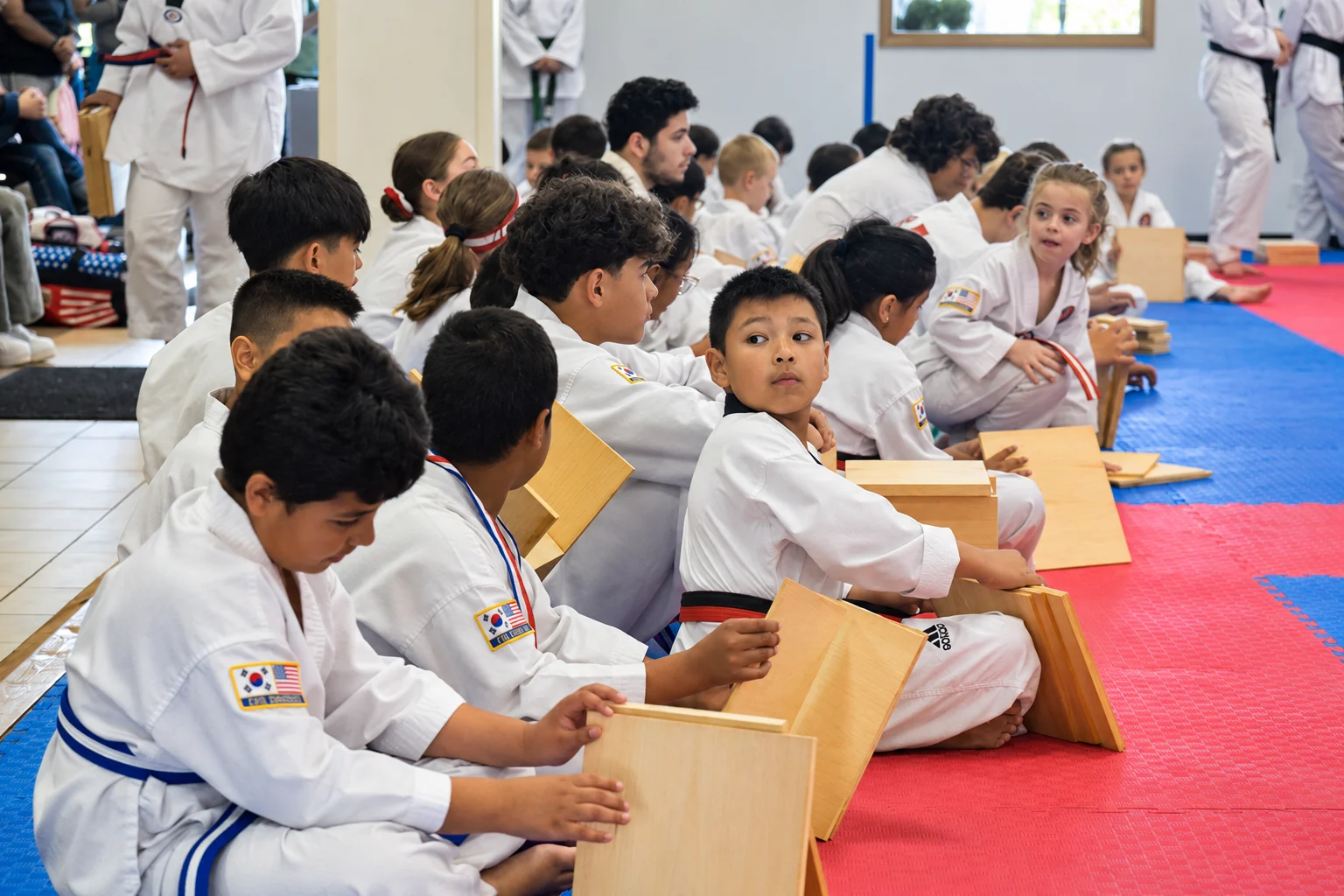
Taekwondo students bow to show respect and to mark a clear beginning or end to an interaction. At Korea Taekwondo Academy, the bow is not an act of submission or worship. It is a brief physical reminder: stop, pay attention, and approach training with humility.
World Taekwondo names respect among the sport’s core values.[1] Kukkiwon’s international master course also includes Taekwondo Courtesy as a formal part of instructor education.[2] Etiquette is not decoration around the kicks, forms, and other physical skills. It is part of how Taekwondo is taught.
A bow is a pause with a purpose
A good bow begins before the student bends forward. The student stops what they are doing, gives the other person their attention, and completes the greeting without rushing.
That short pause asks a student to practice several habits at once:
- Attention: Stop moving and notice the person or moment in front of you.
- Courtesy: Acknowledge instructors, senior students, and training partners.
- Humility: Enter the interaction ready to listen and learn.
- Self-control: Slow down enough to respond deliberately instead of carelessly.
A bow does not prove that a child is respectful, and it does not guarantee an overnight change in behavior. It gives students a repeated chance to practice respect in a visible, concrete way.
When do students bow at KTA?
Students learn bowing through greetings, class transitions, and other moments throughout training. New students are not expected to know every cue on the first day. Instructors show them what to do, explain why it matters, and help the routine become familiar over time.
The details are simple: pause, stand with attention, keep the hands free, face the person you are greeting, and complete the bow without turning it into a rushed nod. The goal is not empty formality. The goal is a sincere and attentive greeting.
Is bowing religious?
No. At KTA, bowing is taught as a respectful martial-arts greeting, not an act of worship.
Its purpose is similar to a handshake or a polite verbal greeting, but it also helps establish the focused atmosphere of a traditional Taekwondo class. Families with a specific question or concern are welcome to ask an instructor before or after class.
Why does this small habit matter?
KTA offers structured traditional Taekwondo training for children, teens, adults, and families in Noblesville.[3] Bowing supports that structure by giving students a consistent way to enter a class, acknowledge instruction, and move between activities with attention.
The physical techniques matter. So does the way students carry themselves while learning them.
Over time, students are not merely told to be respectful. They practice a respectful action again and again—when they are energetic, distracted, confident, nervous, or tired. That repetition is what turns etiquette from an idea into a habit.
How parents can help
Parents do not need to correct every bow from the lobby. The instructors can handle the technical details in class.
The most useful support is simple:
- Remind your child that bowing is a greeting, not something embarrassing.
- Encourage them to slow down and give the moment their attention.
- Let the instructor correct the details without making the child feel ashamed.
- Ask questions if a custom is unfamiliar or unclear.
Students will not perform every bow perfectly, especially when they are new. What matters is that they understand the purpose and keep practicing.
The next step
If your family is comparing martial arts schools in Noblesville, the best way to understand KTA’s class structure is to experience it in person. Review KTA’s programs and contact Korea Taekwondo Academy to arrange a visit.
Sources
[1] https://worldtaekwondo.org/inside/aboutwt/OurVisionMissionStrategy/contents — World Taekwondo: Vision, Mission, Strategy and Values
[2] https://wta.kukkiwon.or.kr/en/trainingProcess/masterCourse?lang=en&menuid=1073&topMenuid=1072 — Kukkiwon WTA: International Taekwondo Master Course
[3] https://ktausa.com/programs — Korea Taekwondo Academy Programs
Why Consistency Matters More Than Motivation in Taekwondo
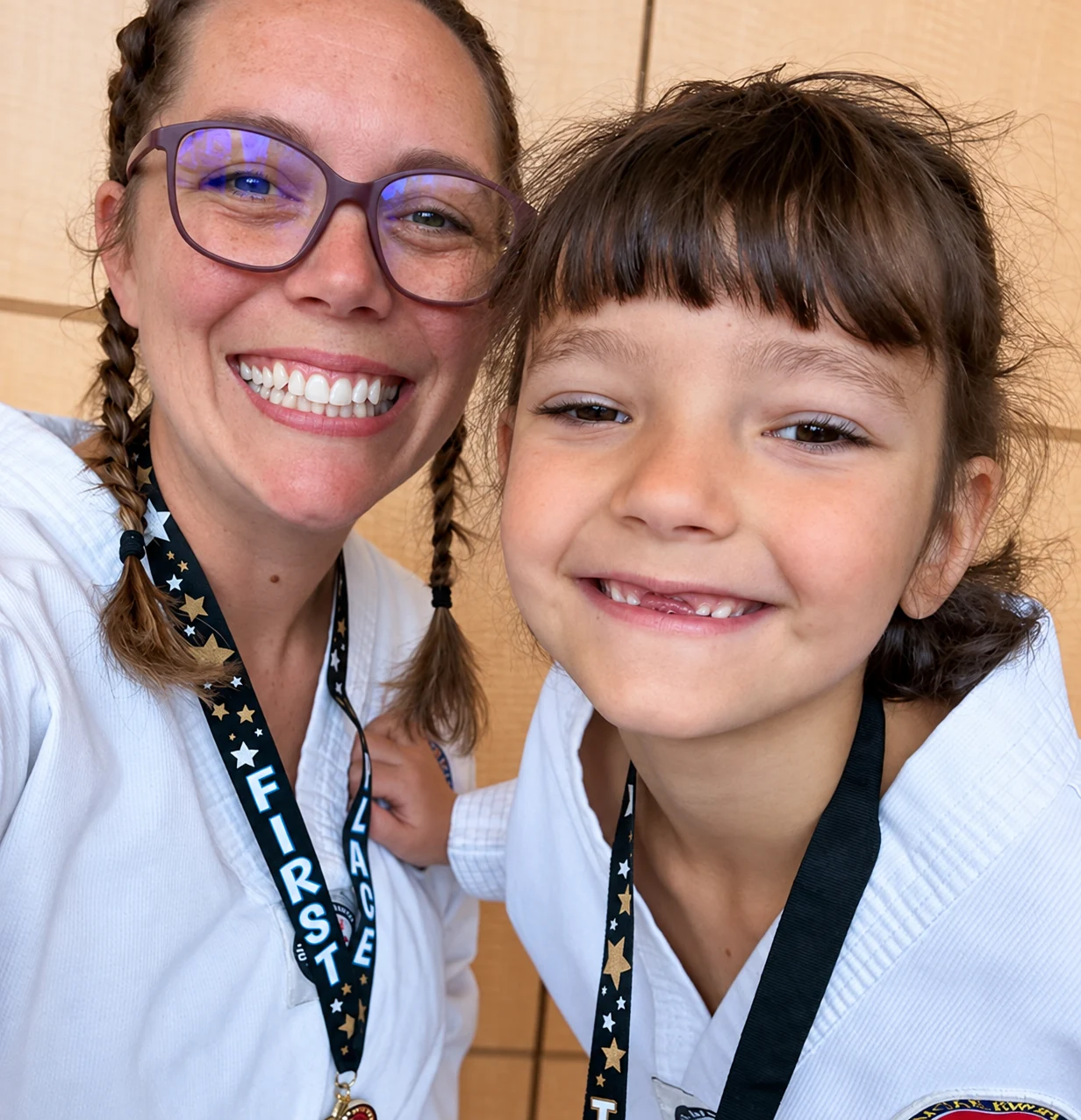
Motivation changes from week to week. Consistency is what gives Taekwondo students enough practice, feedback, and small wins to keep progressing.
At Korea Taekwondo Academy in Noblesville, the goal is not perfect attendance or constant enthusiasm. The goal is a training routine a student can return to—even after a busy week, a difficult class, or a break in momentum.
Why motivation is not a reliable plan
Some days, students are ready to train before they reach the door. Other days, they may feel tired, distracted, frustrated, or more interested in staying home.
That is normal. Motivation is useful when it appears, but it is not steady enough to carry a long-term goal.
A routine makes the decision simpler. Instead of asking, “Do I feel like training today?” the family already knows which classes are part of the week.
What consistent training gives students
Regular attendance creates repeated opportunities to:
- Practice foundational skills
- Listen and respond to instructor feedback
- Work through techniques that do not feel easy yet
- Remember earlier material while learning something new
- See progress that may be hard to notice from one class alone
- Prepare for the next appropriate belt goal
This is how confidence becomes connected to experience. A student tries, receives guidance, adjusts, and discovers that something difficult can become more manageable with practice.
That process takes time. KTA does not promise an overnight change, but training gives students a structured place to practice focus, discipline, respect, and follow-through.
Consistency does not mean perfection
Families get sick. School becomes demanding. Work schedules shift. Vacations and other activities interrupt the routine.
Missing a class does not erase a student’s progress. The more useful response is to return at the next reasonable opportunity instead of waiting for a “perfect” week.
After a longer break, the first few classes may feel unfamiliar. Give the student time to settle back into the class rhythm, review familiar material, and rebuild comfort on the mat. Returning is a normal part of long-term training—not a reason to feel embarrassed.
Make attendance easier before the week gets busy
A simple plan usually works better than repeated last-minute decisions:
- Choose the likely class days. Put them on the family calendar before other optional plans fill the space.
- Prepare ahead. Keep the uniform, belt, and other needed items together so class does not begin with a search.
- Expect an occasional low-motivation day. One reluctant afternoon does not necessarily mean the student wants to quit.
- Keep the next goal visible. A curriculum skill or future promotion test can make progress feel concrete without creating pressure.
- Ask for help when the routine stops working. KTA can help families identify a class option or a practical next step.
What if my child says they do not want to go?
Start with curiosity rather than an argument. Ask whether something specific happened, whether the student is tired, or whether a skill is becoming frustrating.
A real concern should be heard. A passing dip in motivation may need a calmer response: attend the next class, see how it feels, and then talk again with better information.
Parents do not need to become the instructor at home. Their most useful role is often to protect the routine, keep the conversation steady, and let KTA instructors handle technical corrections on the mat.
How consistency connects to belt progress
Promotion testing is a chance for prepared students to demonstrate what they have practiced. The calendar alone does not make a student ready.
Regular classes provide the repetitions and instructor feedback that support readiness over time. Families preparing for a test can review what to expect at a KTA Taekwondo belt test, then confirm eligibility with a KTA instructor.
The next step
If your family’s routine has slipped, do not wait for the perfect restart. Choose the next reasonable class and begin there.
If you are unsure which class makes sense, contact Korea Taekwondo Academy. We will help you identify a practical way to get back on the mat.
What to Expect at a Taekwondo Belt Test: KTA Parent Guide
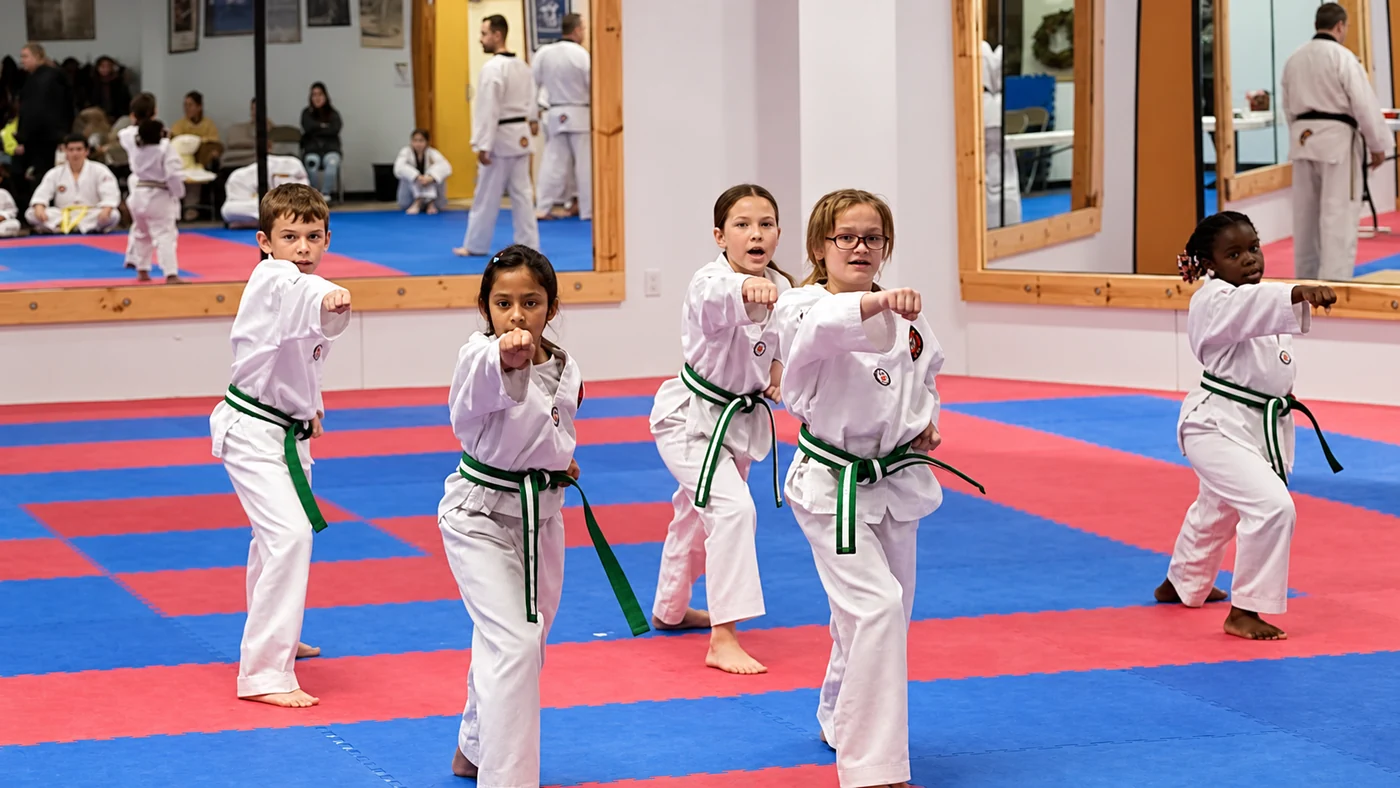
A KTA color-belt promotion test gives prepared students an opportunity to demonstrate what they have practiced and work toward their next rank. Students should arrive prepared, listen carefully, and keep working when something is difficult.
Here is what families need to handle before test day and what students can expect during the test.
KTA promotion test checklist
Before a color-belt promotion test:
- Confirm eligibility with Mr. Bickel, Alex Bickel, or a KTA instructor
- Submit the application and payment by the announced deadline
- Continue attending class consistently
- Review the curriculum and required terminology
- Prepare a clean, wrinkle-free dobok and the student’s belt
- Secure long hair and leave jewelry and valuables at home
- Follow the current test announcement for arrival time and other details
The exact schedule can change, so the current KTA announcement should always take priority over an older email or article.
First, confirm that the student is ready
KTA generally offers color-belt promotion tests about every eight to ten weeks. That does not mean every student should test at every opportunity.
Readiness depends on rank, attendance, time in training, and the student’s understanding of the required material. Higher ranks also become more cumulative, so students need to retain earlier techniques while sharpening newer ones.
Before submitting an application, ask an instructor whether the student is eligible and prepared for that test. This keeps the decision connected to actual class performance rather than the calendar alone.
Check the current application deadline
KTA usually sets the application deadline about two weeks before a color-belt test, but families should follow the deadline and payment instructions in the current test announcement.
Testing information may also be available in the student’s Kicksite School Documents Library or at KTA. If you are unsure whether the student is eligible, ask an instructor before submitting the application.
Preparation happens in regular classes
Test readiness is built through consistent attendance. Regular classes give students the repetitions they need to remember techniques, respond to corrections, and become more comfortable performing under pressure.
In the weeks before a test, students should:
- Attend class consistently
- Pay attention to instructor corrections
- Review the curriculum for their current rank
- Practice required terminology
- Ask questions while there is still time to improve
Extra practice can help, but it should reinforce what KTA instructors are teaching—not replace class or introduce conflicting details.
What students should bring on test day
Follow the current announcement, but KTA’s standard test-day reminders include:
- A clean, wrinkle-free dobok
- The student’s current belt
- Long hair secured so it does not obstruct vision
- No jewelry, watches, or unnecessary valuables
- No sparring gear or large bags unless KTA specifically requests them
Plan enough travel time to arrive when instructed. Rushing into the dojang at the last minute adds stress before the test has even started.
What happens during a promotion test?
Students demonstrate material they have practiced in class. The exact content and order depend on the student’s rank and the test format.
Testing may require students to perform in front of instructors, respond to commands, and recite terminology connected to their curriculum. Students are expected to listen carefully, stay engaged, and keep trying if they make a mistake.
A test feels different from an ordinary class because the student is being asked to show what they can do with less step-by-step coaching. That challenge is part of the value. It makes progress visible and gives the next training goal more meaning.
If a student makes a mistake
Students may forget a term, lose balance, or need a moment to reset. That is normal in a testing environment.
Parents can help by keeping the day calm and avoiding last-minute pressure. A useful reminder is simple:
“Listen carefully, do your best, and keep going.”
The useful response is to listen for the next instruction, reset, and continue.
How parents can support the process
The most useful parent support happens before and after the test:
- Help protect the student’s class routine
- Make sure the application is completed on time
- Help prepare the uniform and belt
- Encourage practice without trying to become the instructor
- Recognize effort, composure, and improvement—not only the new belt
This keeps testing connected to long-term growth rather than turning one evening into an all-or-nothing judgment.
What happens after the test?
KTA will communicate the result and next steps. When a student advances, the new rank creates a new curriculum goal—not an endpoint.
The best next move is to return to class, learn the expectations of the new rank, and begin building toward the next milestone. Belt progression is most useful when it reflects continued training rather than a brief burst of preparation before each test.
Two common questions
Are belt tips required before a student can test?
No. KTA’s belt tips are optional and are not required for promotion. Readiness is based on the broader training picture, including attendance, time at rank, and understanding of the curriculum.
What if a student cannot attend the scheduled test?
Tell KTA as soon as possible. A make-up opportunity may sometimes be available, but families should not assume one will be offered for every test.
The next step
Ask a KTA instructor about eligibility before the current application deadline. Then keep the plan simple: attend class consistently, review the assigned material, prepare the uniform and belt, and follow the arrival instructions in the current test announcement.
If you still have a testing question, contact Korea Taekwondo Academy or speak with an instructor during your next visit.
KTA Sparring Match Games
From the KTA archive. This story records an event from 2023. Dates and event details below are historical.
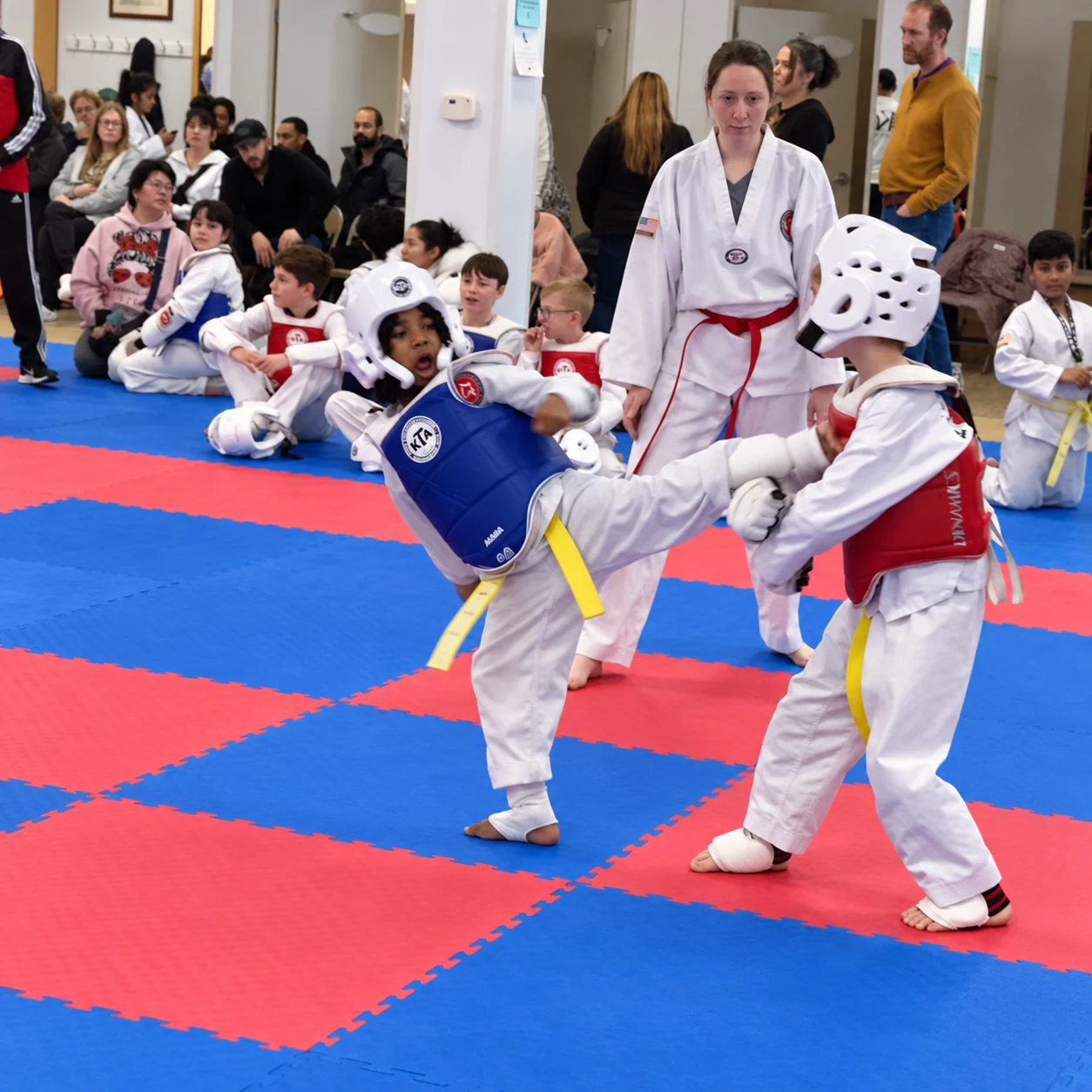
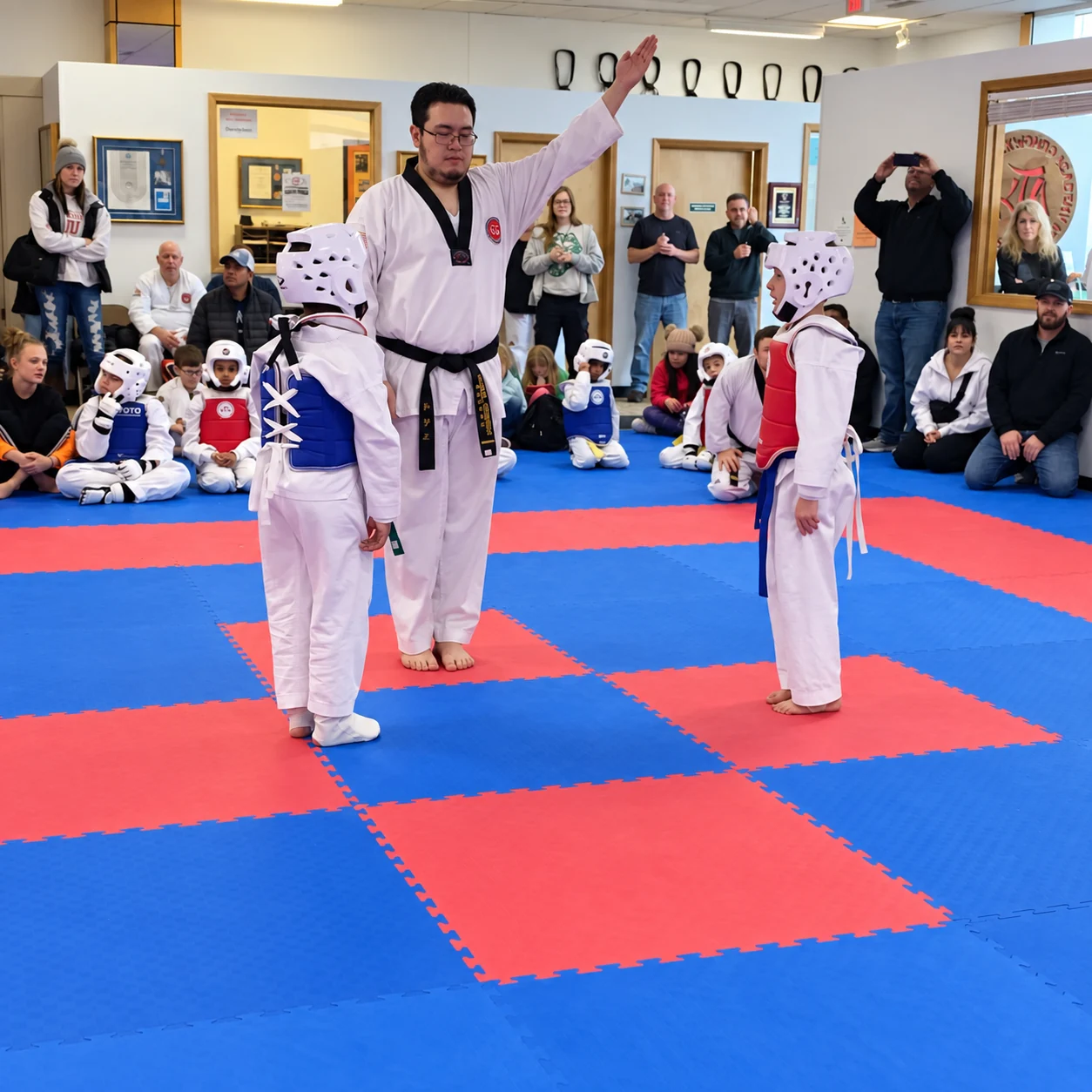
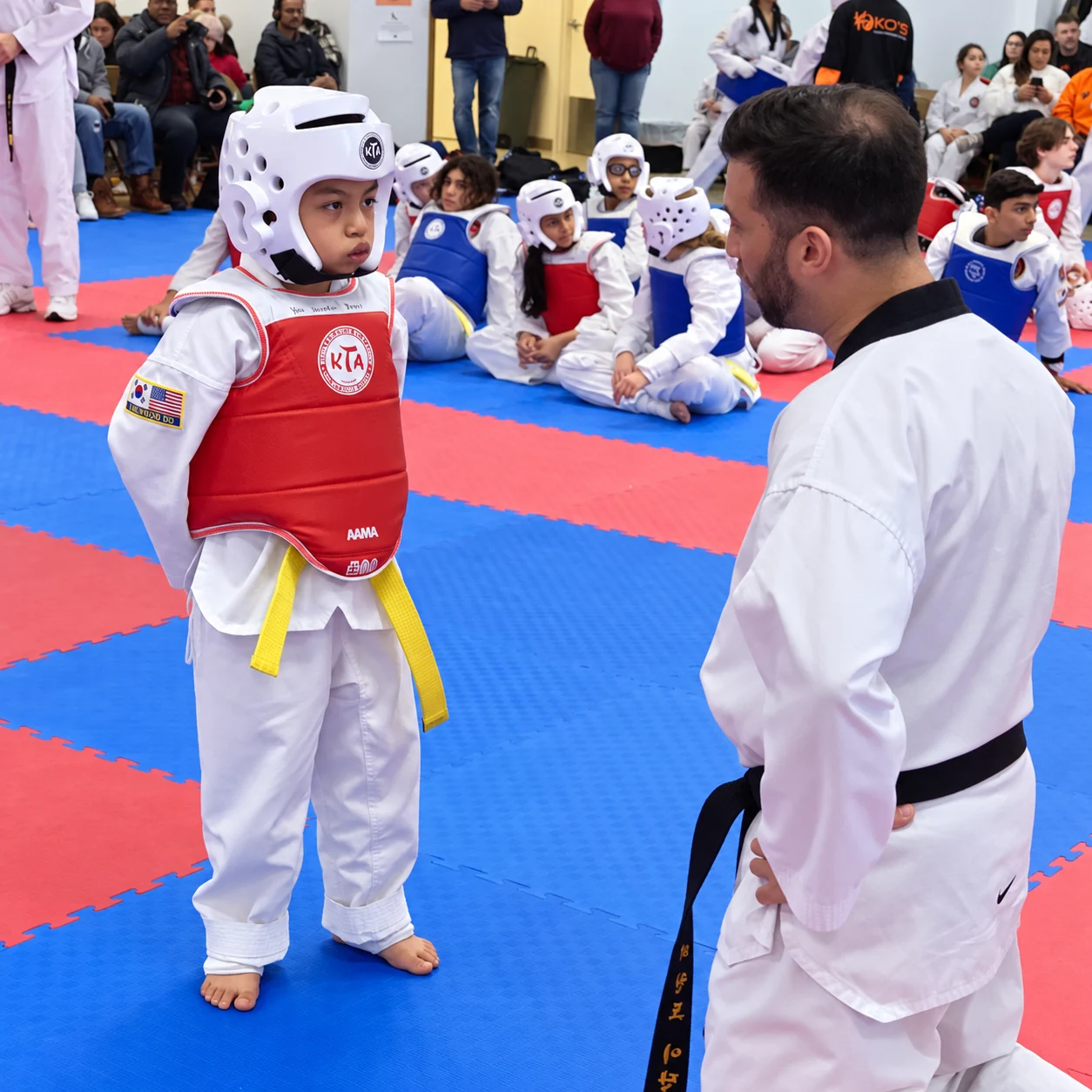
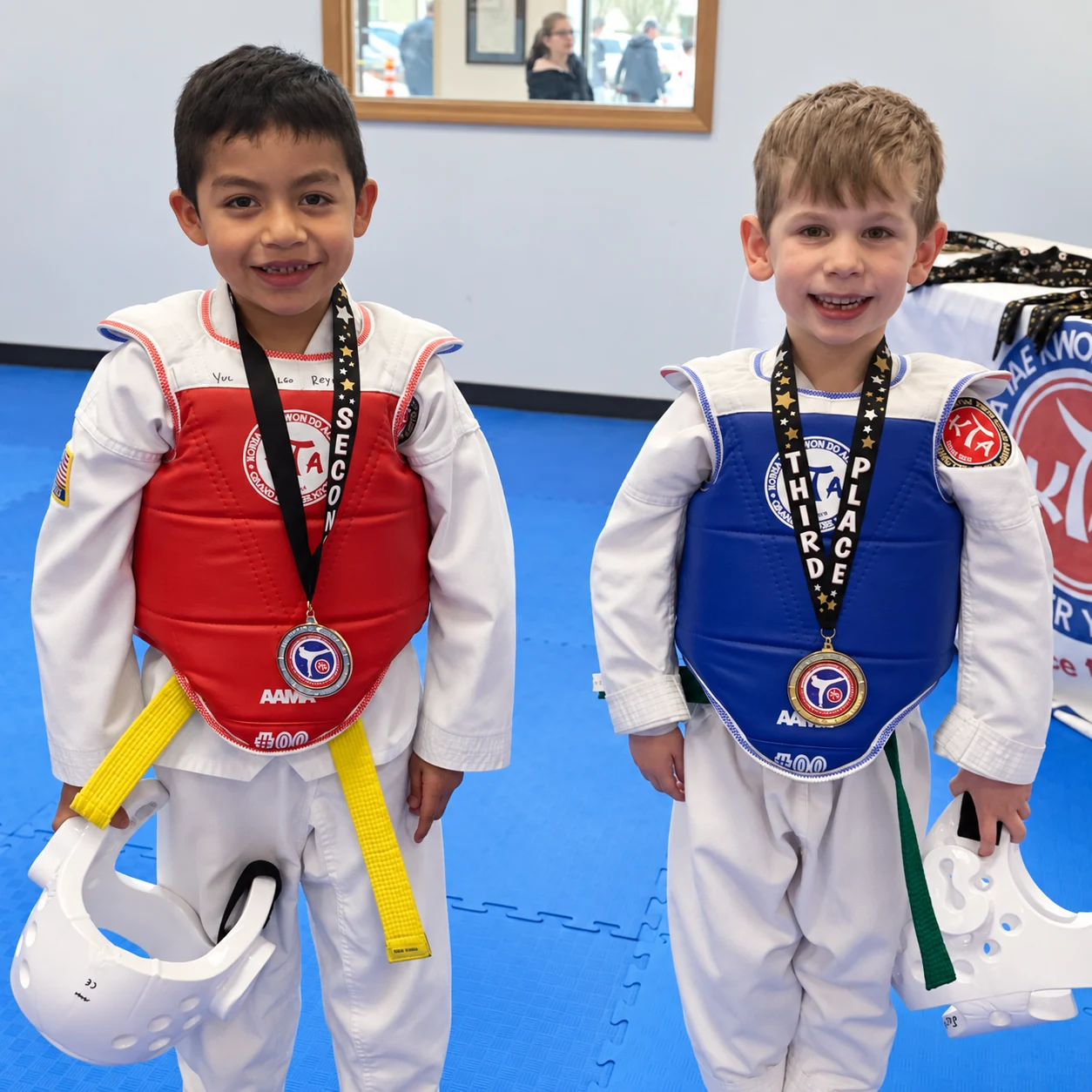
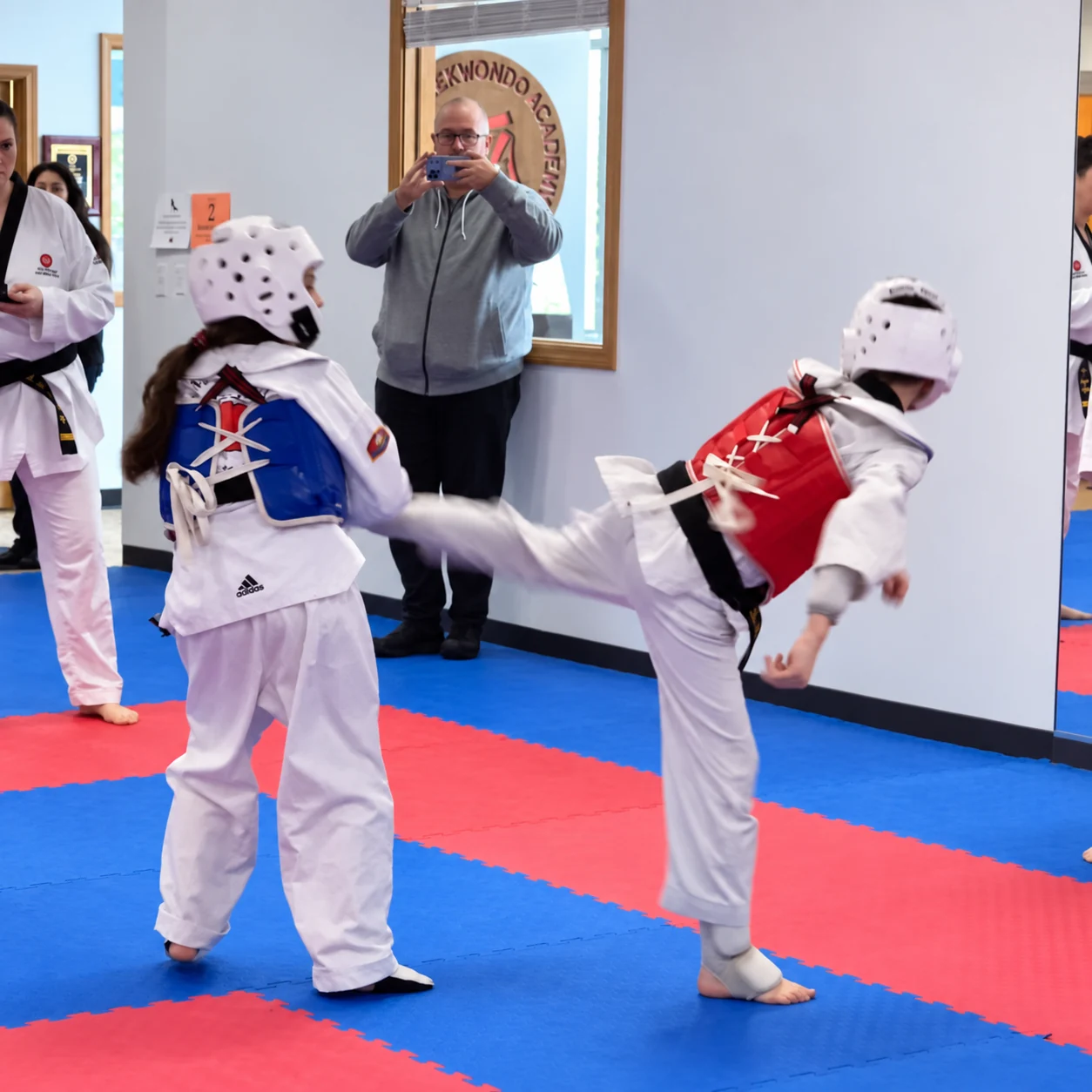
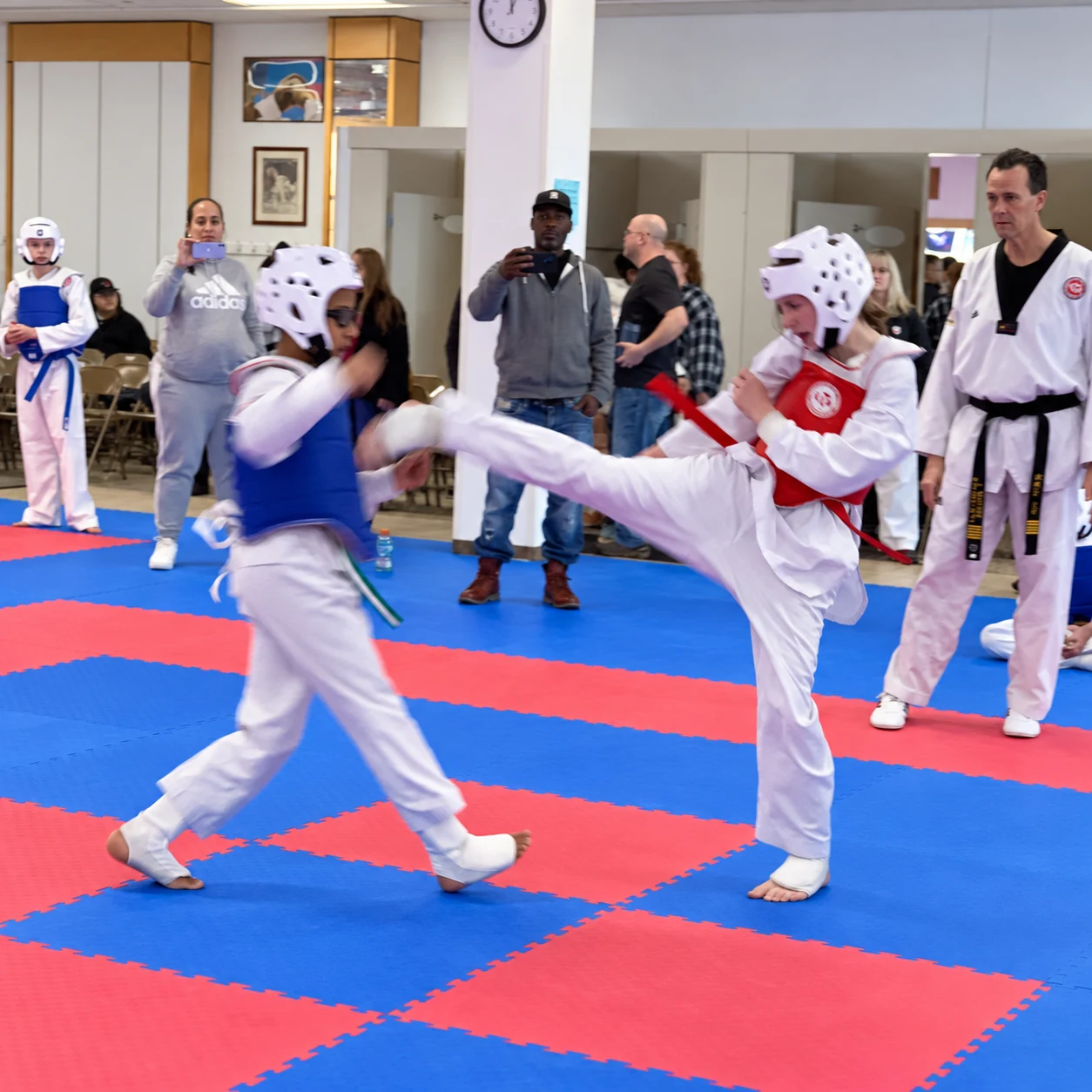
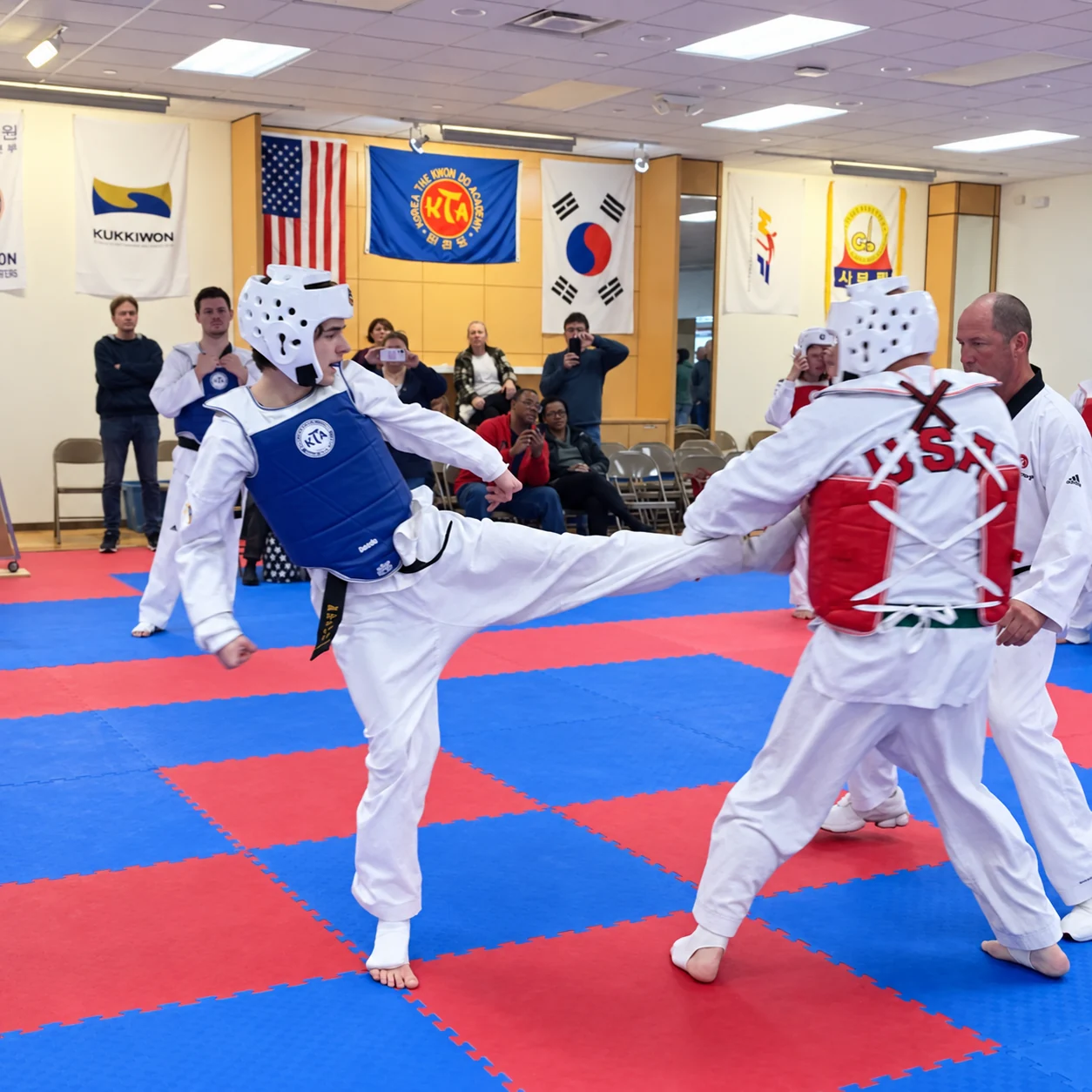
Thanks to all students and families who attended our KTA Intra-School Match Games on Saturday, January 14th!
Competition started just after 9 a.m. and wrapped up at 12:30. It was incredible to see the growth of each participant throughout the day. We could all see improvement as each student progressed through their matches. Everyone learned a lot about themselves and came away with valuable experience!
Excellent attitude and effort were demonstrated throughout the day, showing true Taekwondo spirit and sportsmanship. We also appreciated all the positive energy and support of parents and families encouraging and cheering for everyone. It was a great way to kick off 2023.
Photos from the day
KTA Kicks for Ronald McDonald House – July 2017
From the KTA archive. This story records an event from 2017. Dates and event details below are historical.
Congratulations to KTA students who participated at
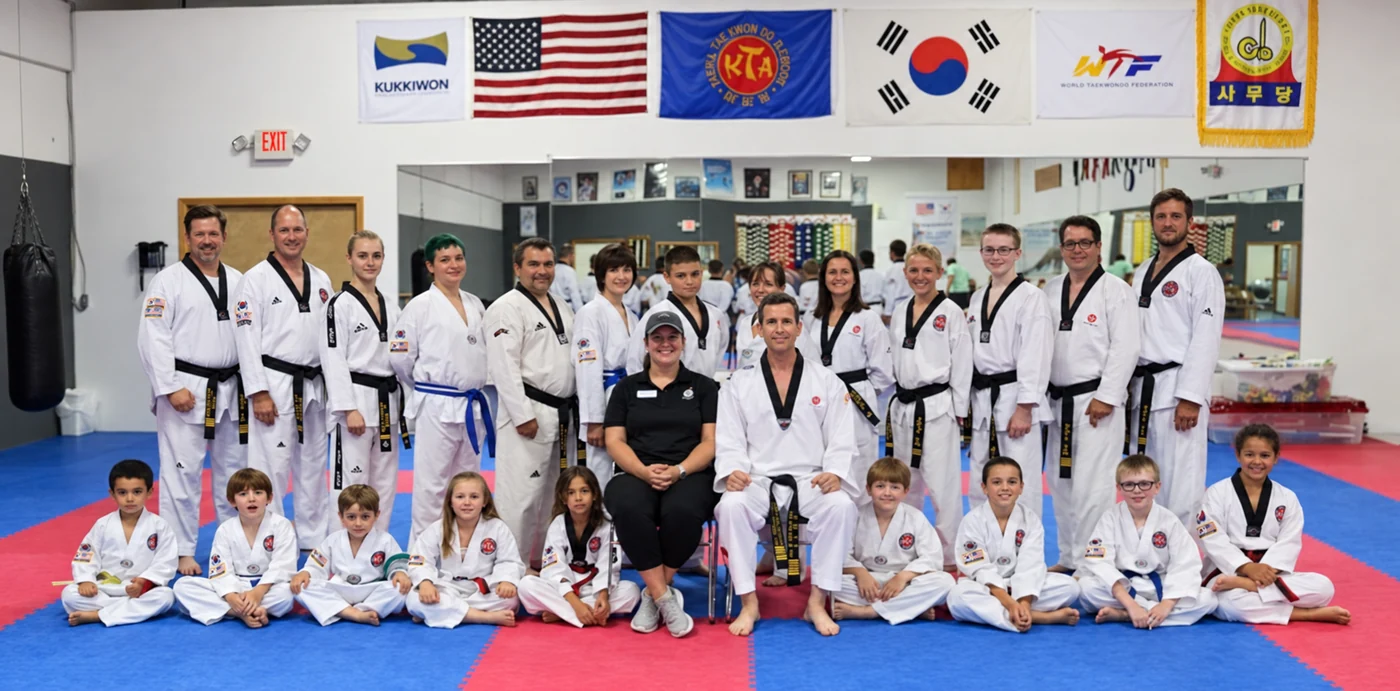
KTA Kicks for Ronald McDonald House on Friday, July 14, 2017!
KTA students raised over $2,000 for
Ronald McDonald House Charities of Central Indiana!
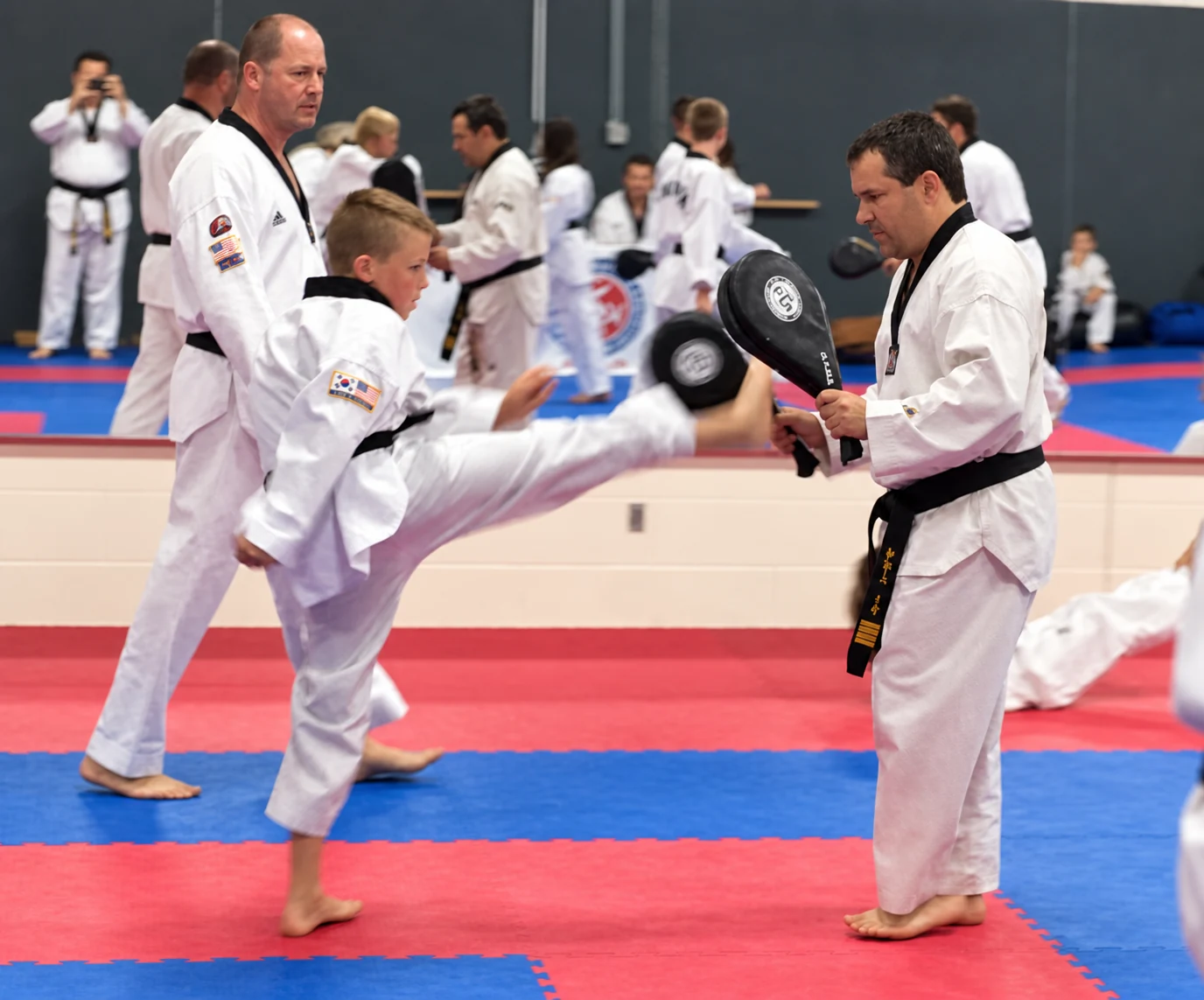
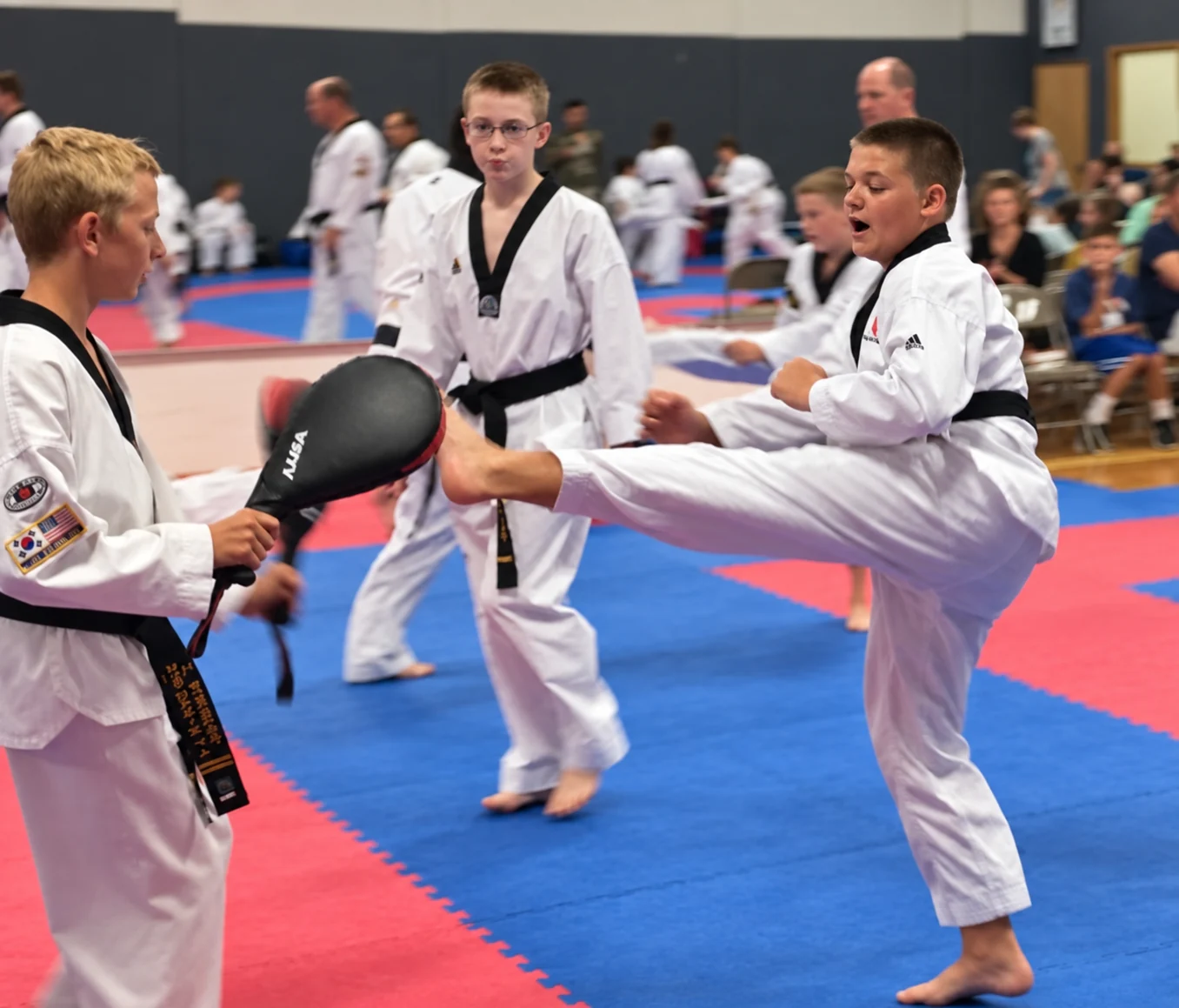
Students did as many kicks as they could for 60 seconds. Friends and families sponsored both flat donations and per kick donations! Enjoy the photo gallery and see the official certificate below!
Official Certificate from Ronald McDonald House
Photos from the day